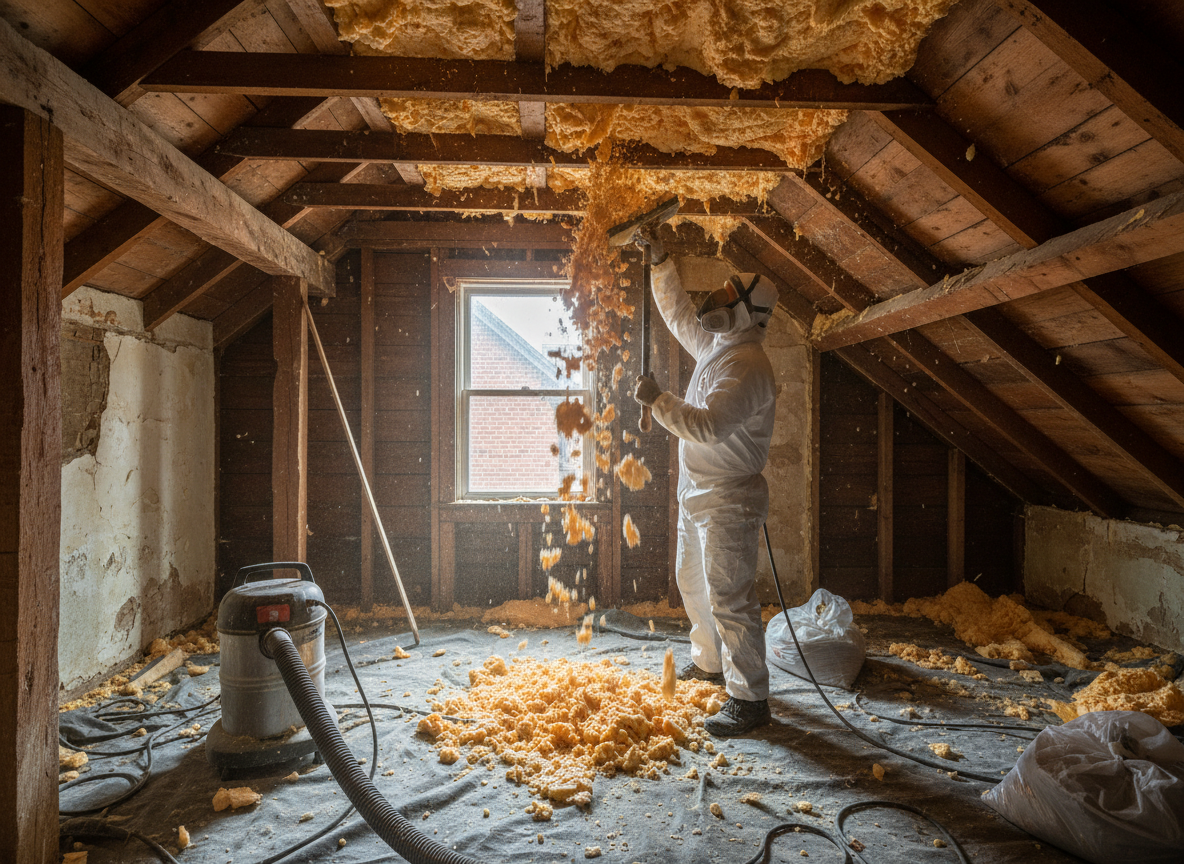
ClearSeal Solutions reaches Skegness properties along the seafront and inland streets where salt-laden winds and driving rain degrade spray foam faster than inland spots. Crews work from the Strait Bargate base in Boston and arrive ready for tight access on Victorian terraces near Lumley Road or post-war bungalows backing onto the dunes. Every job starts with a same-day inspection because coastal moisture levels change how the foam releases from joists and rafters.
Older Skegness stock, including pre-1910 houses near the Clock Tower and holiday chalets around Tower Gardens, often holds thick layers of closed-cell foam that trap condensation against timber. ClearSeal Solutions removes it section by section to avoid disturbing original lath and plaster ceilings common in these buildings. Homeowners on North Parade and nearby caravan parks get 24/7 scheduling so work can finish before peak summer visitor traffic blocks narrow lanes.
ClearSeal Solutions knows Skegness drainage patterns and high water tables near the foreshore mean extra drying time after foam extraction. Teams protect floorboards in Embassy Theatre area rentals and Butlin's-adjacent lodges where quick turnaround matters most.
Around Skegness
We regularly work near:
- 📍Skegness Pier
- 📍Tower Gardens
- 📍Clock Tower on Lumley Road
- 📍Embassy Theatre
- 📍Butlin's Skegness
- 📍North Parade
ClearSeal Solutions in Skegness — Local Notes
- •Salt air along the Skegness promenade corrodes fixings and leaves foam brittle, so removal crews cut in smaller sections to prevent ceiling collapse in older terraces.
- •Narrow rear access lanes behind Lumley Road shops limit equipment size, requiring hand tools and dust extraction on most Skegness jobs.
- •Winter storm surges raise ground moisture under holiday lets near Tower Gardens, extending drying periods before new insulation can go in.
- •Pre-war homes around Skegness Grammar School often have mixed foam and original horsehair plaster that must be separated carefully during removal.